

Can You Spot a Scam?

Scammers are always coming up with new ways to trick people, but no matter the scam, there are common trends you should be aware of to keep your money and personal information safe.
Read more
Scammers are always coming up with new ways to trick people, but no matter the scam, there are common trends you should be aware of to keep your money and personal information safe.
Read more

The holiday season is a time when people are more vulnerable to identity theft scams. Not only are people making more purchases than any other time of year, but they are often distracted when doing so. During the holiday season, stores and shopping malls are bustling with people – especially at peak shopping times during evenings and weekends. When shoppers are focused on their gift lists, looking for bargains, or tending to the kids, attention might not be on security.
Read more
With increasing rates of ATM scams in recent years, it's extremely important to stay alert and protect yourself when using the ATM. ATM fraud occurs when criminals steal card information through an ATM, and use that information to make unauthorized purchases or withdrawals. They typically rely on equipment installed at ATMs or wireless sensors to capture the information and create duplicate cards. Even without a physical card, the stolen data can be used to charge purchases or withdraw funds from your account.
Read more
A work-from-home scam involves thieves making false promises to job applicants in order to steal their money, their confidential data, or both.
Read more
Social Security numbers (SSNs) are like bank and credit card account numbers' unauthorized access can create serious problems for the owner. Scammers hope to use your knowledge of this simple fact against you by falsely claiming that your SSN has fallen into the hands of criminals, and they need your help to resolve the situation.
Read more
Urgent requests for immediate action to resolve a financial issue should always set off red flag warnings in your head. Be wary of requests that you did not initiate.
Read more
The Romance Scam is one of the most utilized methods of targeting victims for financial gain. Unfortunately, the targets of these scams are once again the elderly, specifically those who have been widowed. Although there are different variations of this scam, here is a very common scenario.
Read more
The Grandparent Scam is one of many scams targeting the elderly. A grandparent gets a call (or sometimes an email) from someone who claims to be a relative, usually a grandson or granddaughter, in distress - they lost their wallet and are stuck without identification and money in another country. The caller states it’s an emergency and asks for money to be sent immediately, wired to them through a friend’s account so that they can get home. If the money can’t be wired, they ask the grandparent to purchase $1,000 Visa gift cards to be used as a means to get back home. Oh, and don’t tell their parents because they’ll get upset. Any concerned grandparent would be alarmed and comply without hesitation. Unfortunately, from January 2020 to June 2021 the FBI Internet Complaint Center received over 650 reports of “grandparent scams” nationwide, resulting in more than $13 million in losses.
Read more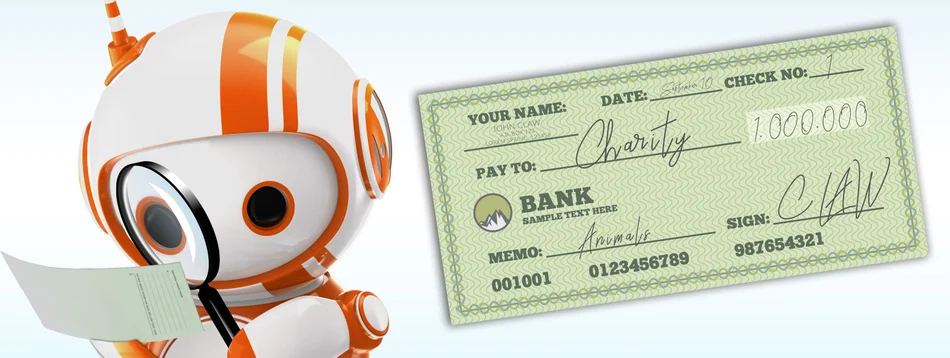
It is not surprising to hear of fake check scams going around, as many people still rely on paper checks for non-cash payments. Just ask any fraudster using the fake check scam to drain bank accounts across the country. While many consumers believe they would recognize a fake check if they saw one, the continued success of this scam proves otherwise.
Read more
Trust is a good thing, but when it comes to your personal information, always verify that the request is a legitimate one.
Read more